
Preparing for Tax Season: A Step-by-Step Guide for Small Businesses
Understanding Your Obligations
Tax season can be a daunting time for small business owners. Understanding your tax obligations is crucial to ensure compliance and avoid penalties. Familiarize yourself with the types of taxes applicable to your business such as income tax, sales tax, and payroll tax. Each has its own requirements and deadlines.

Consult with a tax professional to get personalized advice tailored to your business structure and industry. This can help you identify any potential deductions or credits you might be eligible for, ultimately reducing your tax burden.
Organizing Financial Records
Keeping well-organized financial records is essential for a smooth tax filing process. Start by ensuring all your income and expense records are up-to-date. This includes receipts, invoices, bank statements, and any other financial documents.
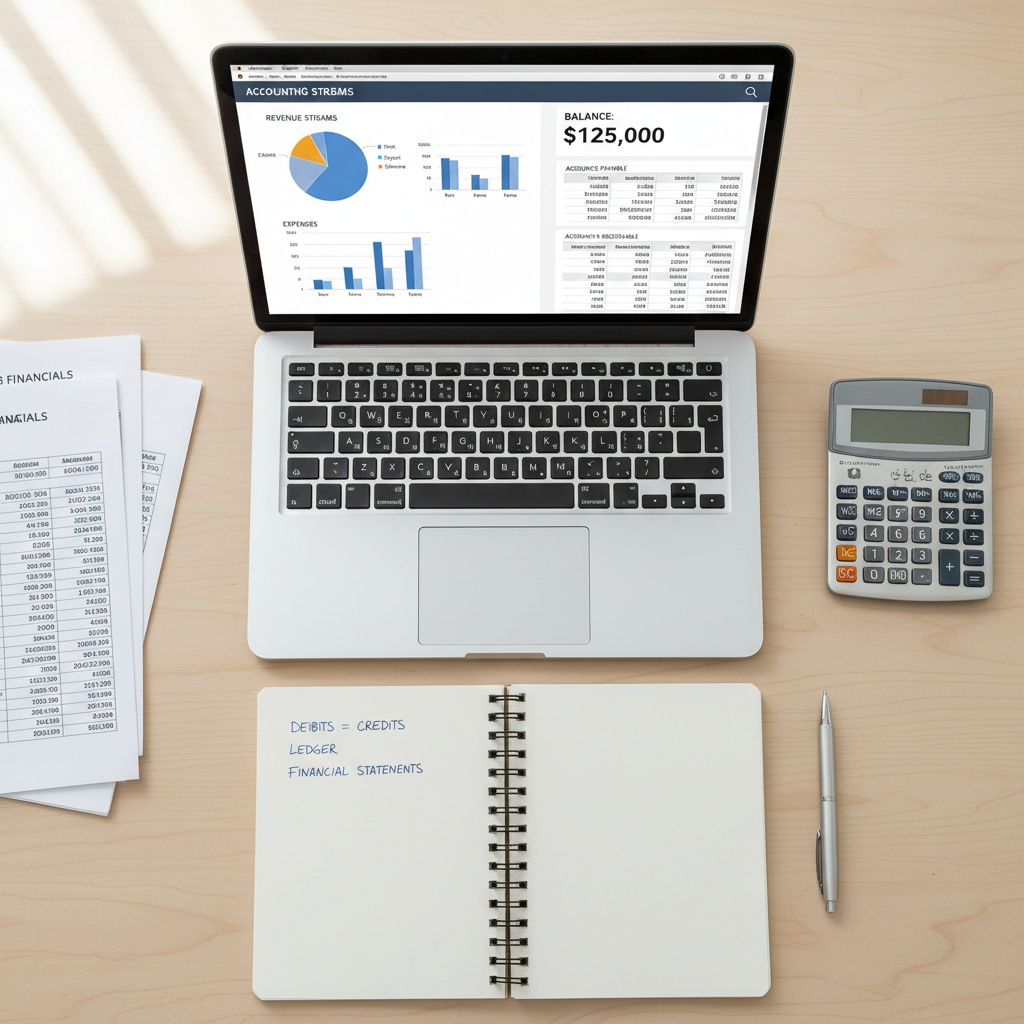
Consider using accounting software to streamline this process. These tools can automate much of the record-keeping and provide valuable insights into your business finances.
Tracking Income and Expenses
Accurate tracking of income and expenses is vital. Categorize your expenses correctly and ensure that all income is accounted for. This will make it easier to identify deductible expenses and prepare accurate tax returns.
Preparing Financial Statements
Financial statements such as the balance sheet, income statement, and cash flow statement provide a snapshot of your business's financial health. They are also essential for tax preparation. Ensure these documents are accurate and reflect your business's true financial position.
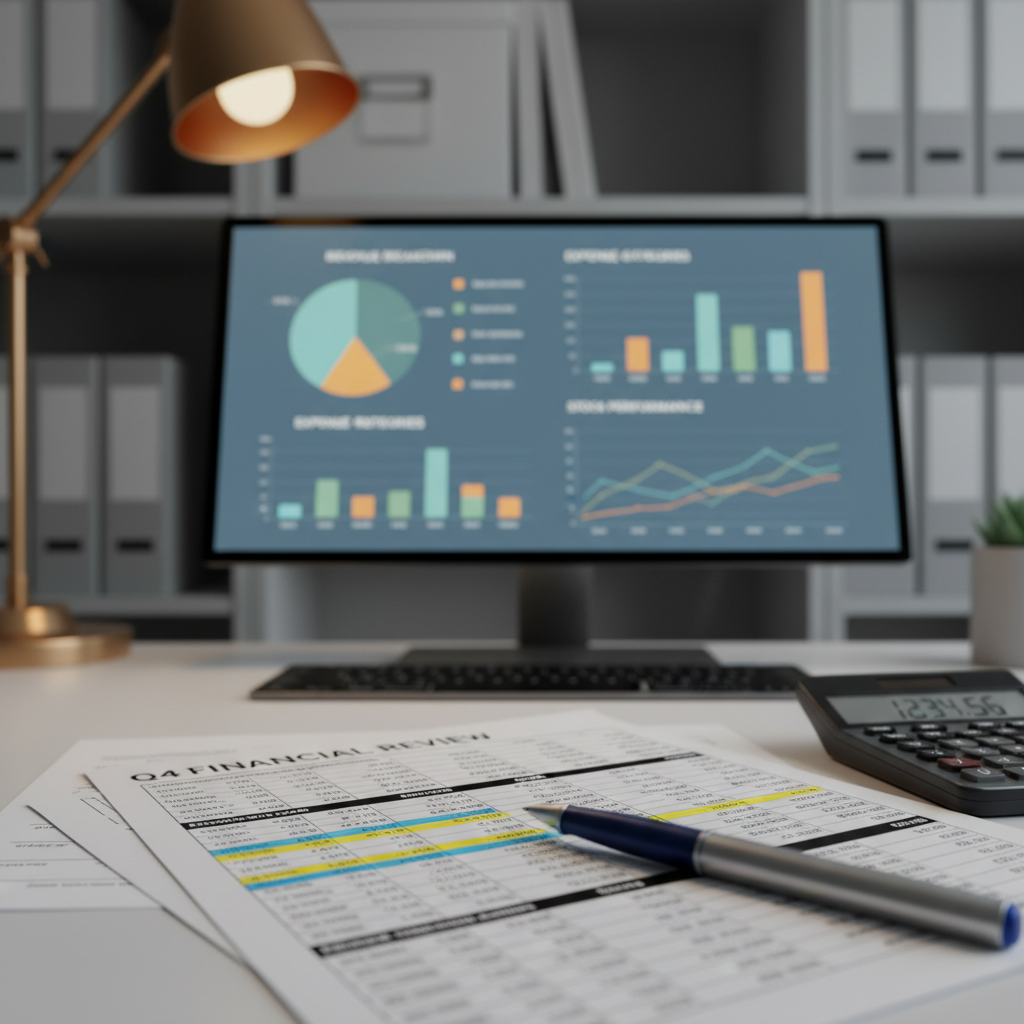
These statements will be invaluable not only during tax season but also in making informed business decisions throughout the year.
Maximizing Deductions
Small businesses can benefit from various deductions that can significantly reduce taxable income. Common deductions include office supplies, travel expenses, and health insurance premiums. Keep detailed records to substantiate these deductions.
Consult with a tax advisor to ensure you are taking full advantage of all available deductions and credits.
Staying Informed on Tax Changes
Tax laws can change frequently, impacting your business's tax obligations. Stay informed about any new legislation or changes to existing laws that could affect your tax situation. Subscribe to updates from reliable sources or work closely with a tax professional to stay ahead.
By staying informed, you can make proactive decisions and avoid surprises during tax season.
Filing Your Taxes
Once you have organized your records and prepared your financial statements, it's time to file your taxes. Decide whether you will file on your own, use tax software, or hire a professional. Each option has its pros and cons depending on the complexity of your business.
Ensure all forms are filled out accurately and submitted by the deadline to avoid penalties.
Planning for Next Year
After filing, take some time to review the process and identify areas for improvement. Consider setting up a system to make next year's tax season even smoother. This might include implementing new software, hiring additional staff, or scheduling regular financial reviews.
Proactive planning will save you time and stress, allowing you to focus on growing your business.