
Self Assessment Tax: A Comprehensive Guide for UK Residents
Understanding Self Assessment Tax
Self Assessment Tax is a system used by HM Revenue and Customs (HMRC) to collect income tax from UK residents. If your income isn't taxed at source, such as through PAYE for employees, you might need to file a Self Assessment tax return. This can apply to the self-employed, landlords, or those with foreign income. Understanding how it works is essential to ensure compliance and avoid penalties.
Who Needs to File a Self Assessment Tax Return?
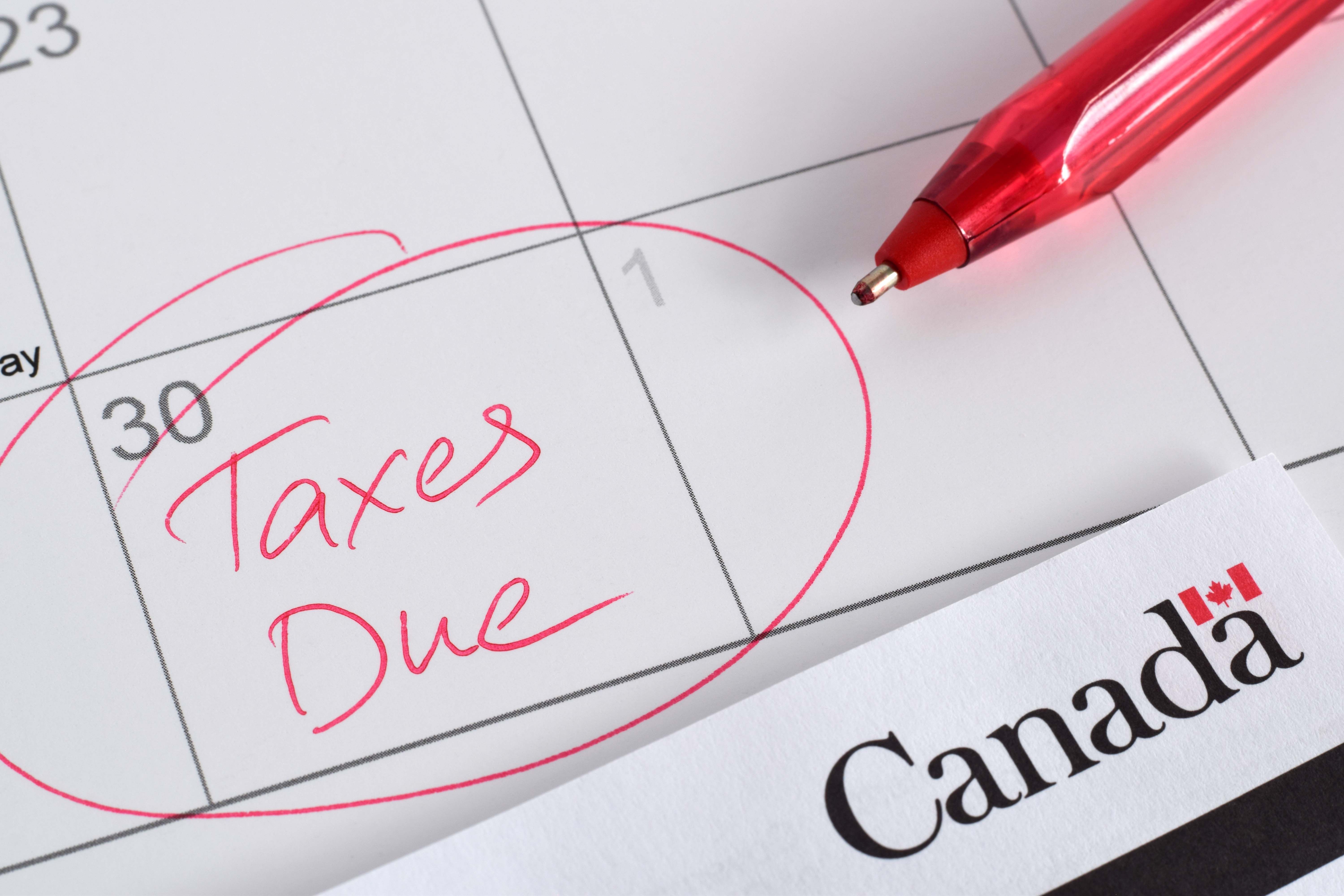
Not everyone in the UK is required to file a Self Assessment tax return. You must file if you are self-employed, a partner in a business partnership, or earn over £100,000 a year. You also need to file if you have income from savings, investments, or dividends exceeding certain thresholds, or if you have foreign income. It's important to determine your status so you know if filing is necessary.
Registering for Self Assessment
To file a Self Assessment tax return, you must first register with HMRC. This process involves creating a Government Gateway account and obtaining a Unique Taxpayer Reference (UTR) number. It’s crucial to register by October 5th following the end of the tax year for which you need to file. Late registration could lead to penalties.

Filing Your Tax Return
Once registered, you can file your tax return online or on paper. Filing online is more efficient and provides an immediate acknowledgment of receipt. The online deadline is January 31st following the end of the tax year, while paper returns are due by October 31st. Ensure all information is accurate to avoid complications.
Calculating Your Tax
HMRC's online system helps calculate the tax you owe based on the information you provide. This includes income from various sources, allowable expenses, and applicable tax reliefs. Understanding your allowable expenses can reduce your tax liability significantly, making it imperative to keep detailed records of your financial transactions.
Paying Your Self Assessment Tax
Once you've filed your return, it's time to pay any tax owed. Payments are typically due by January 31st. If your tax bill is over £1,000, you might need to make payments on account towards the next year's tax. This involves paying an estimated amount in two installments, due on January 31st and July 31st.
Avoiding Penalties
Failing to file your return or pay your tax on time can lead to penalties. Even if you miss the deadline by a day, you could face fines. It's wise to set reminders and keep all necessary documents organized to ensure a smooth filing process. If you encounter difficulties, contacting HMRC promptly can prevent issues from escalating.

Seeking Professional Help
If you find the Self Assessment process daunting, consider hiring a professional accountant or tax advisor. They can provide valuable guidance and ensure everything is handled correctly. While this is an added expense, it can save you time and stress, especially if your financial situation is complex.
Understanding and managing your Self Assessment tax responsibilities is crucial for compliance and financial health. By following these guidelines, UK residents can navigate the process with confidence and clarity.